 |
|
|
 1000s of products available for Next Day Delivery
Top Rated Seller

Payment options

Follow us on social media


Official dealer


This site is protected by reCAPTCHA and the Google
Privacy Policy and
Terms of Service apply.
Raspberry Pi
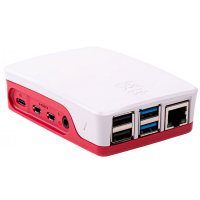
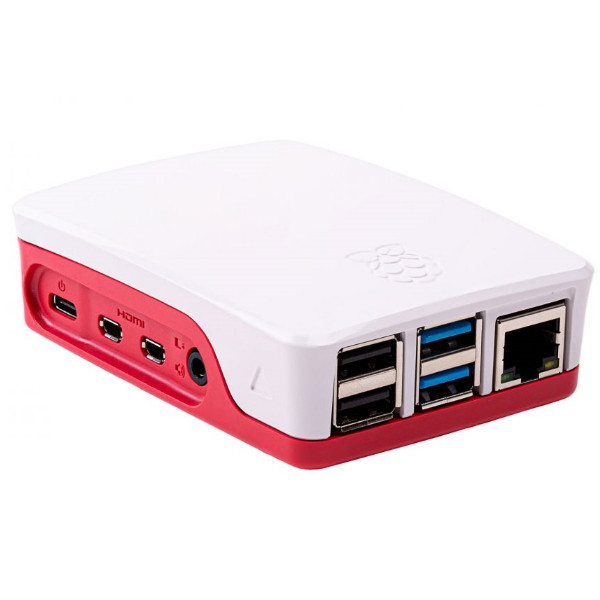
| Raspberry Pi 4 red and white housing | ||
|
|
||
| Order now, we can ship this today! | ||
|
|
In stock
|
|
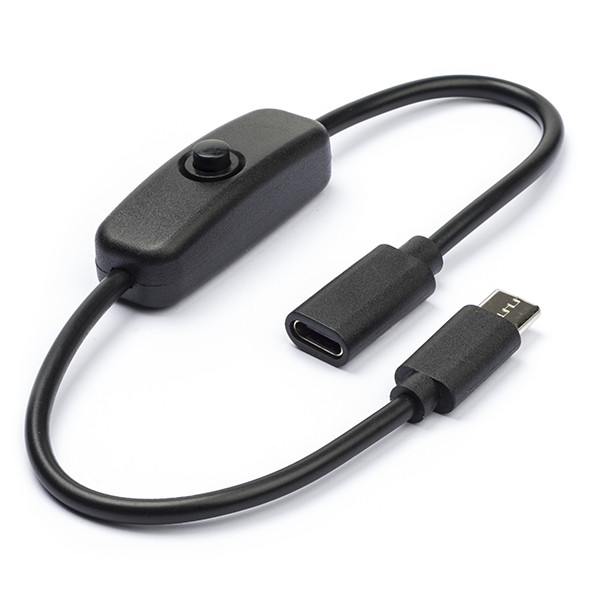
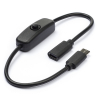
| USB-C cable with switch for Raspberry Pi 4 | ||
|
|
||
| Order now, we can ship this today! | ||
|
|
In stock
|
|
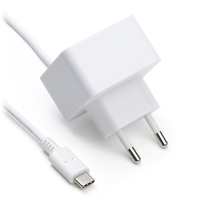
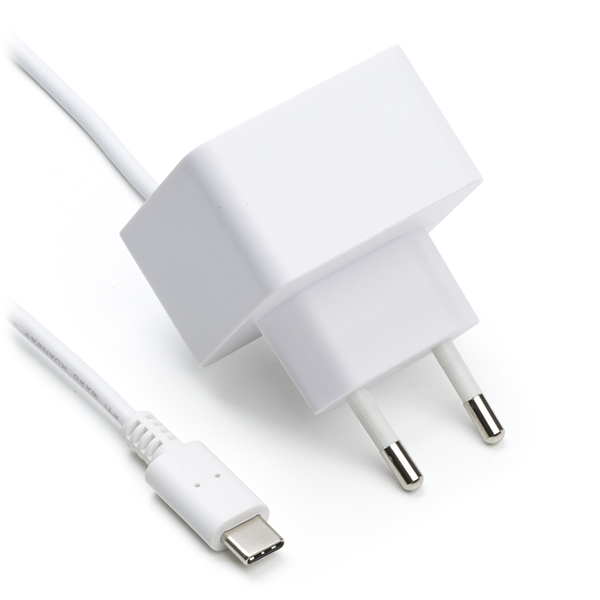
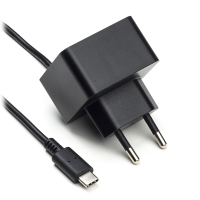
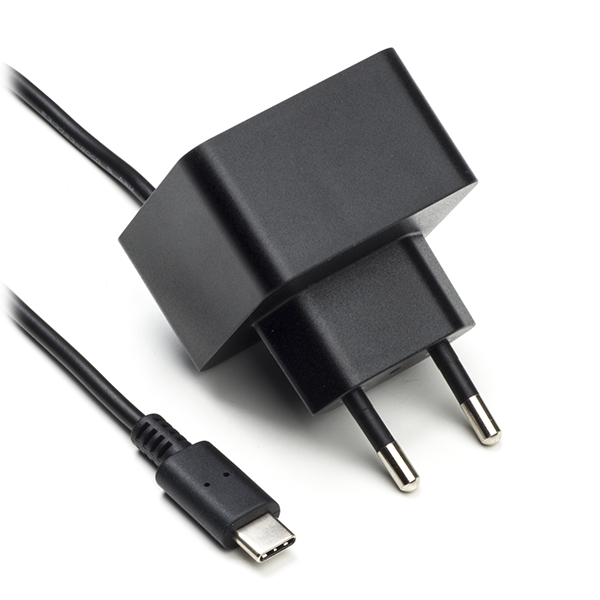
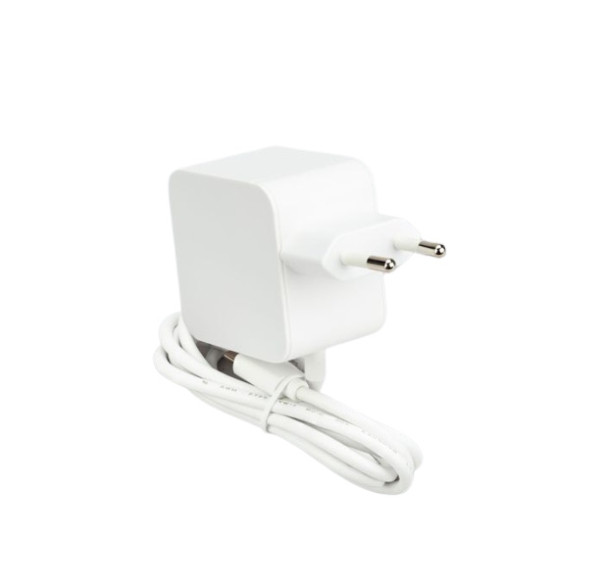
| Raspberry Pi white USB-C power supply (15.3W) | ||
|
|
||
| Order now, we can ship this today! | ||
|
|
In stock
|
|
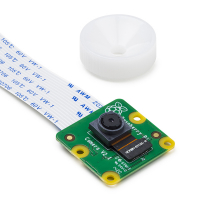
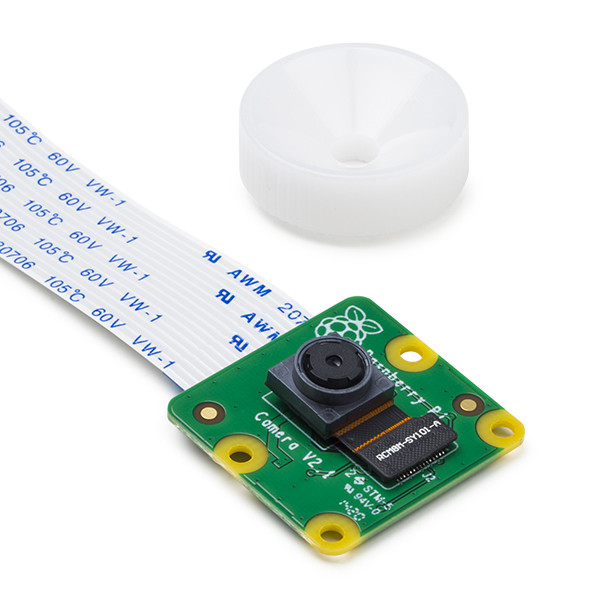
| Raspberry Pi V2 camera board (8MP) | ||
|
|
||
| Order now, we can ship this today! | ||
|
|
In stock
|
|
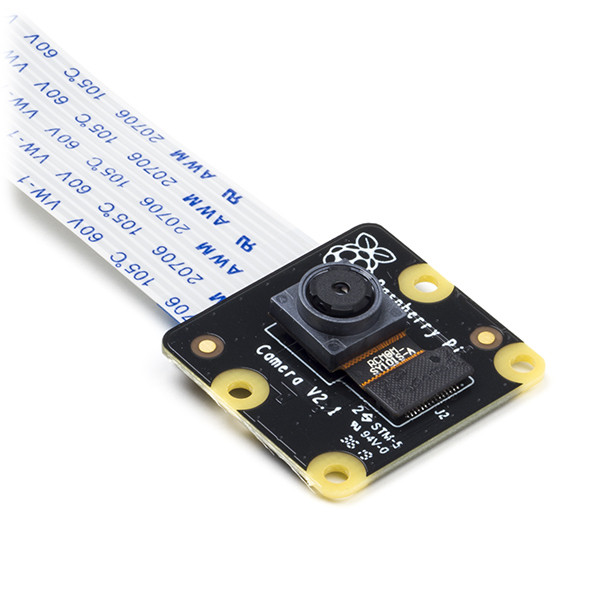
| Raspberry Pi V2 infrared NoIR camera board (8MP) | ||
|
|
||
| Order now, we can ship this today! | ||
|
|
In stock
|
|
| Flex cable for Raspberry Pi camera module, 30cm | ||
|
|
||
| Order now, we can ship this today! | ||
|
|
In stock
|
|
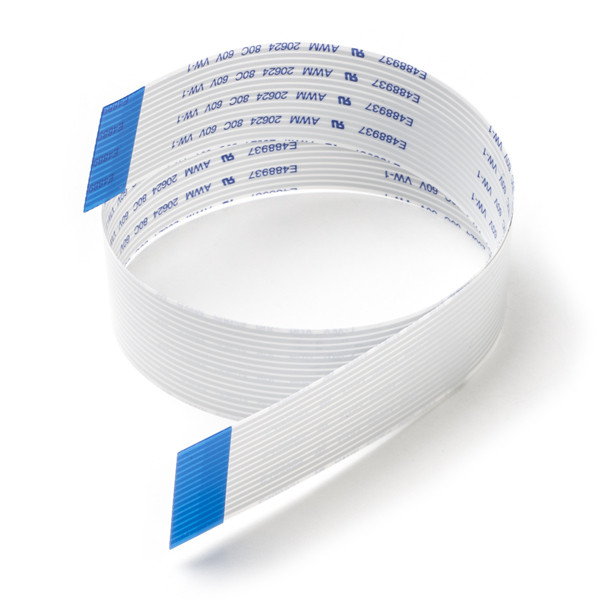
| Flex cable for Raspberry Pi camera module, 50cm | ||
|
|
||
| Order now, we can ship this today! | ||
|
|
In stock
|
|
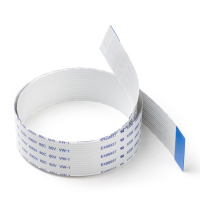
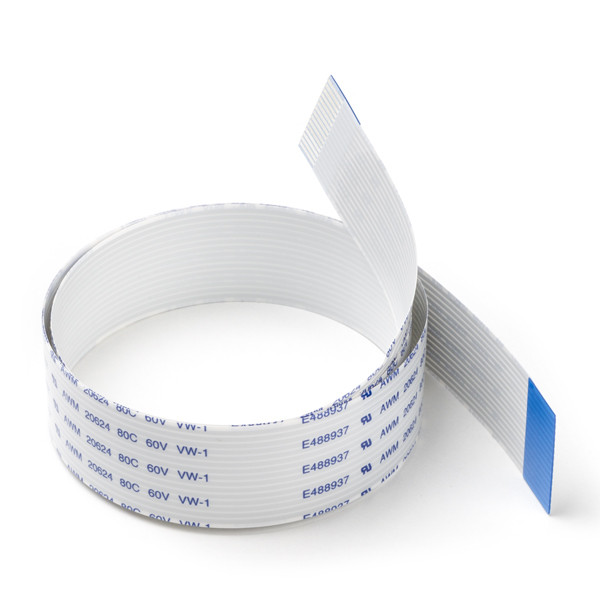
| Raspberry Pi 7" DSI Touchscreen display (800 x 480 pixels) | ||
|
|
||
| Order now, we can ship this today! | ||
|
|
In stock
|
|
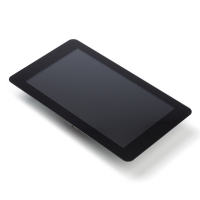
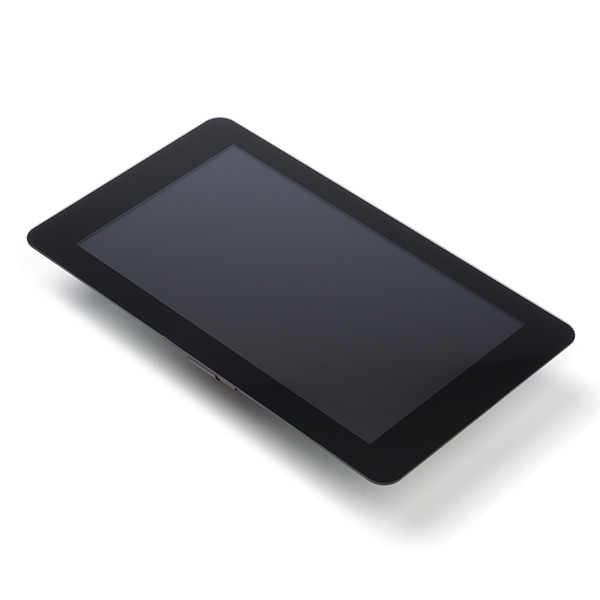
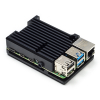
| Black aluminium heatsink case for Raspberry Pi 4 | ||
|
|
||
| Order now, we can ship this today! | ||
|
|
In stock
|
|
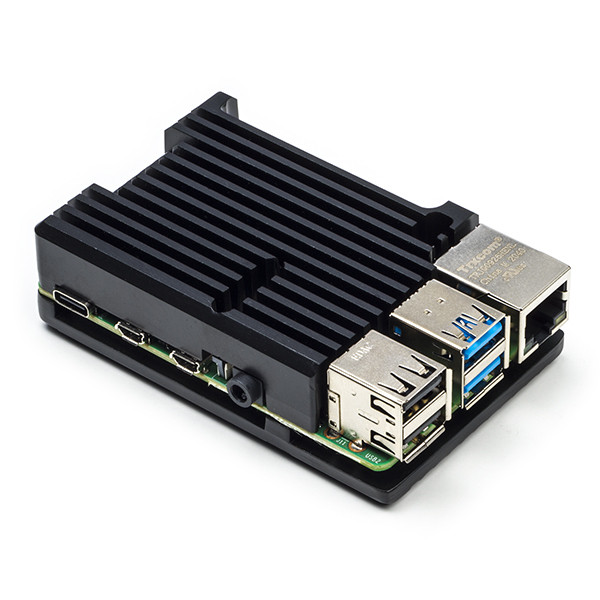
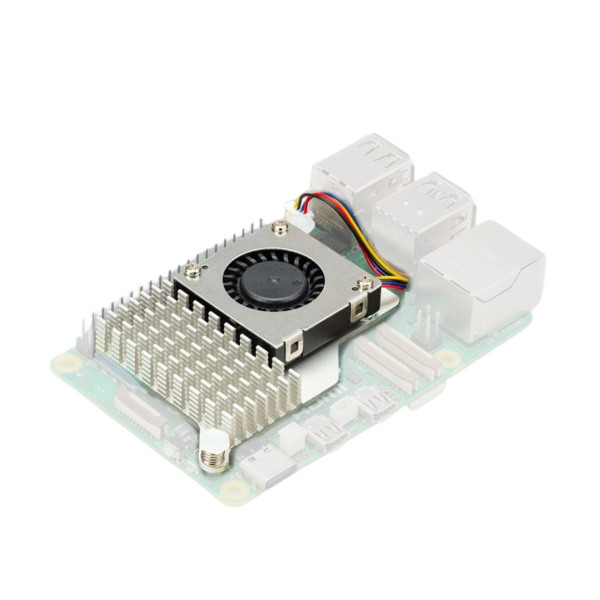
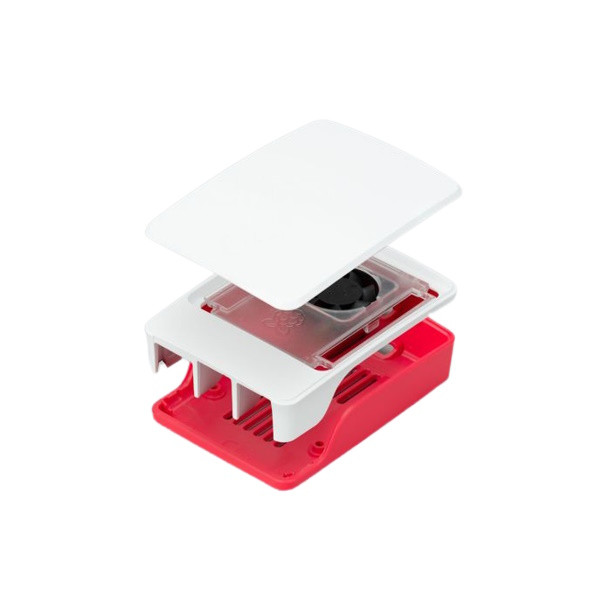


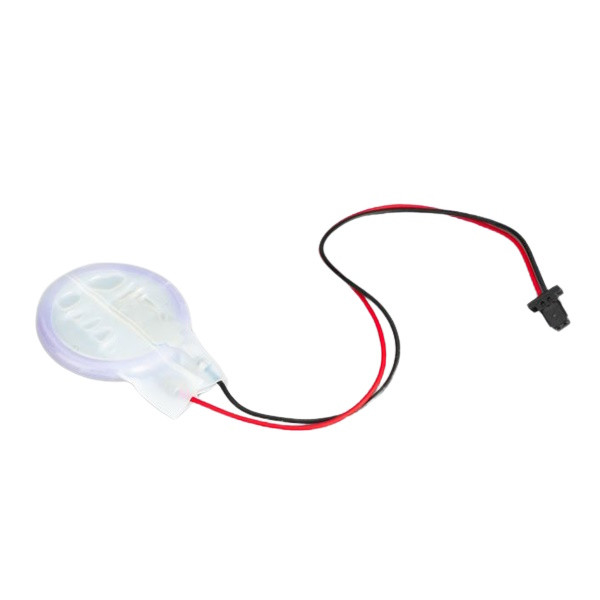
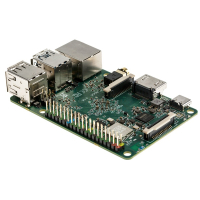
| OKdo ROCK 4 SE Single Board Computer 4GB LPDDR4 RAM | ||
|
|
||
| Order now, we can ship this today! | ||
|
|
In stock
|
|

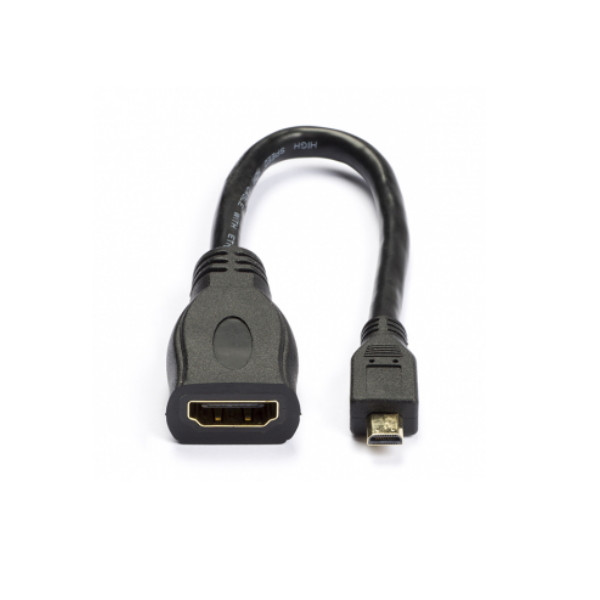
| Flex cable for Raspberry Pi camera module, 70cm | ||
|
|
||
| Order now, we can ship this today! | ||
|
|
In stock
|
|
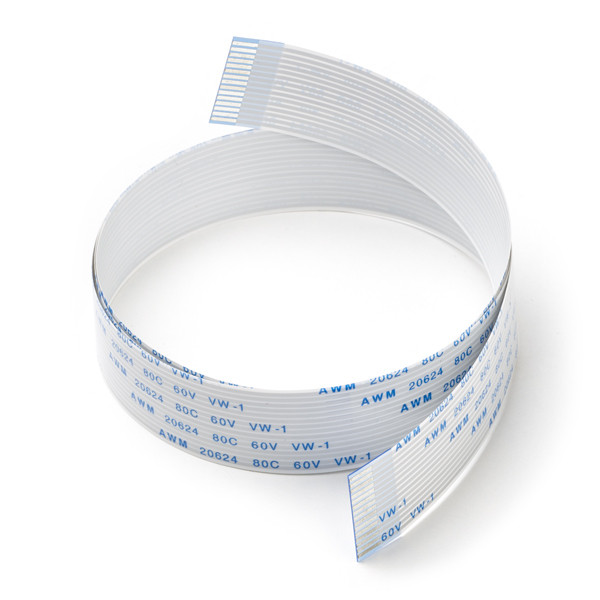
| Flex cable for Raspberry Pi camera module, 100cm | ||
|
|
||
| Order now, we can ship this today! | ||
|
|
In stock
|
|